TRANSFORM YOUR MATERIALS
Have surplus textiles, banners, vinyl, deadstock, or dormant inventory? We help turn unused materials into useful products and measurable impact.

Accepted & Case-by-Case Materials
Every material is reviewed by project, condition, quantity, and intended use. These categories are common starting points, not automatic approval.
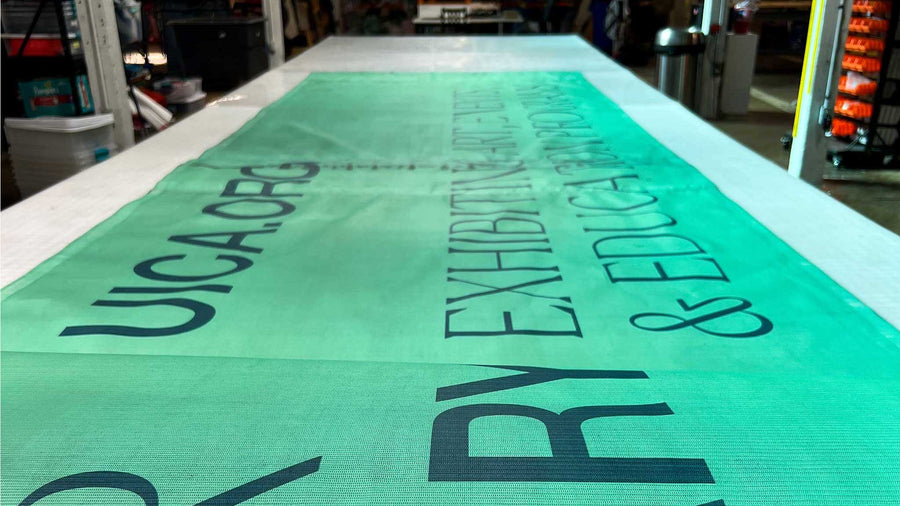
Typically accepted
Durable large-format materials such as billboard vinyl, banners, event signage, and promotional substrates.
Bags, cases, covers, totes, carry goods, and durable sewn products.
Clean, dry, free from hazardous residue, and structurally usable.
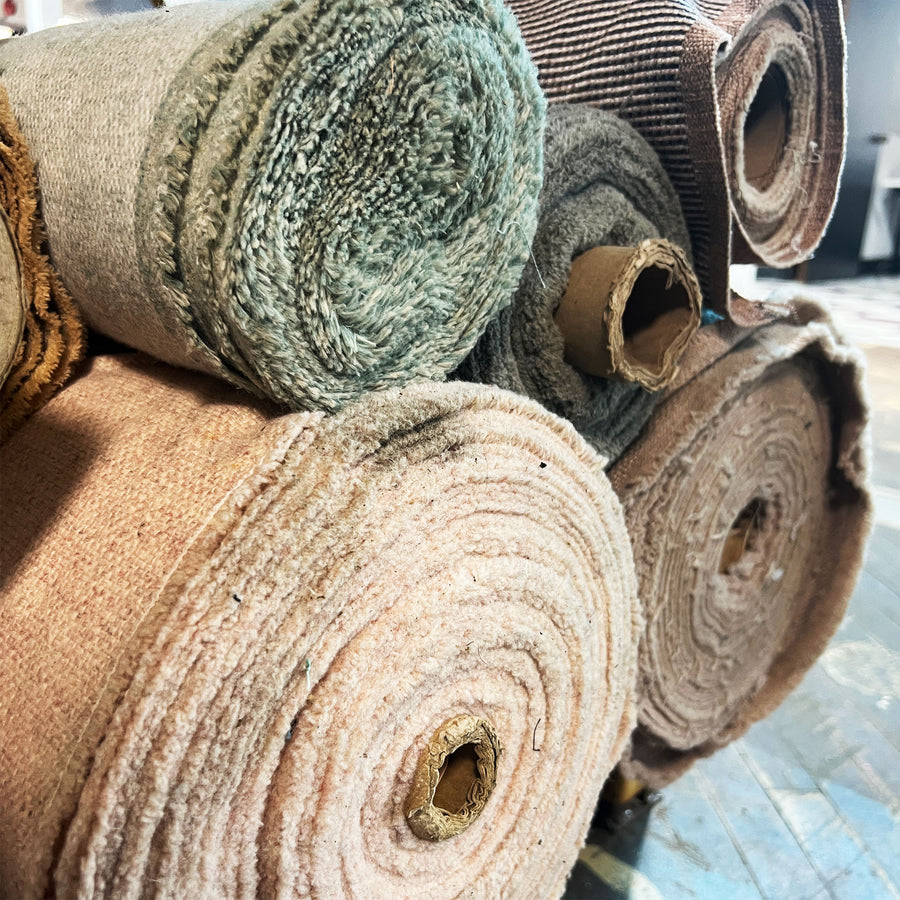
Typically accepted
Fabric yardage, woven materials, upholstery fabrics, and other textile goods that can be cut and sewn into new products.
Bags, pouches, pillows, soft goods, panels, and product components.
Clean, dry, sorted, and free from mold, mildew, strong odors, or contamination.
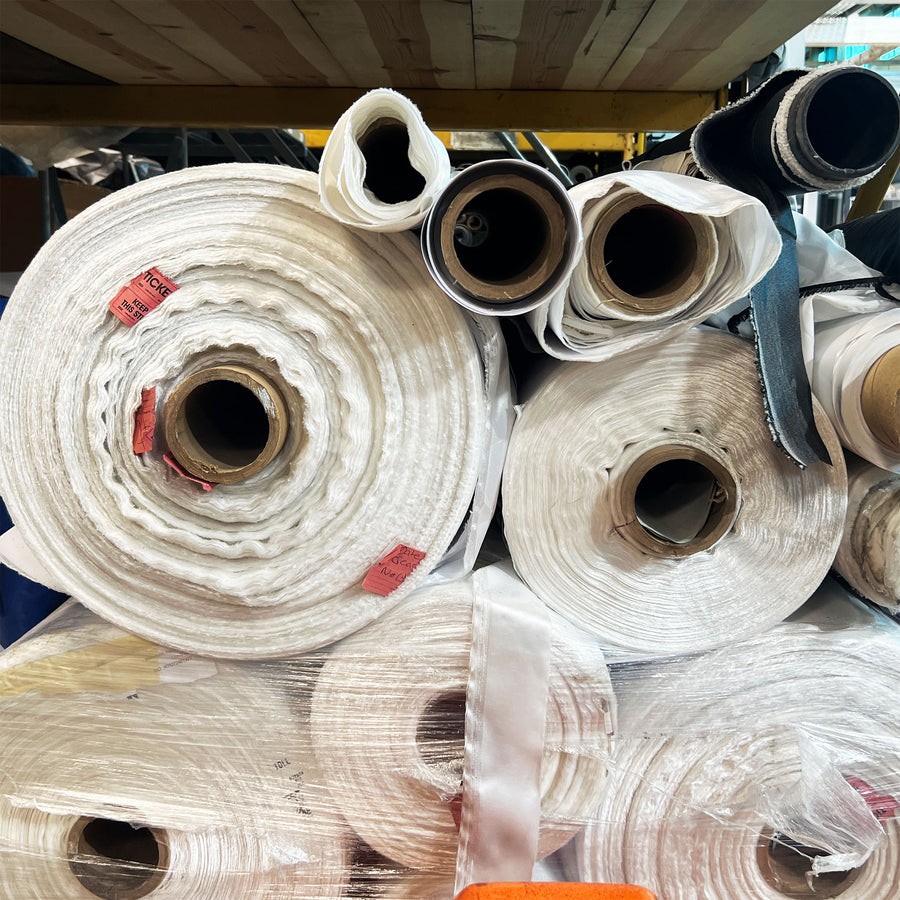
Typically accepted
Excess fabric, production overruns, surplus rolls, and unused textiles from manufacturers, brands, or institutions.
Repeatable product runs, custom goods, internal products, and production-ready options.
Stored properly, usable by yardage or piece, and not degraded.
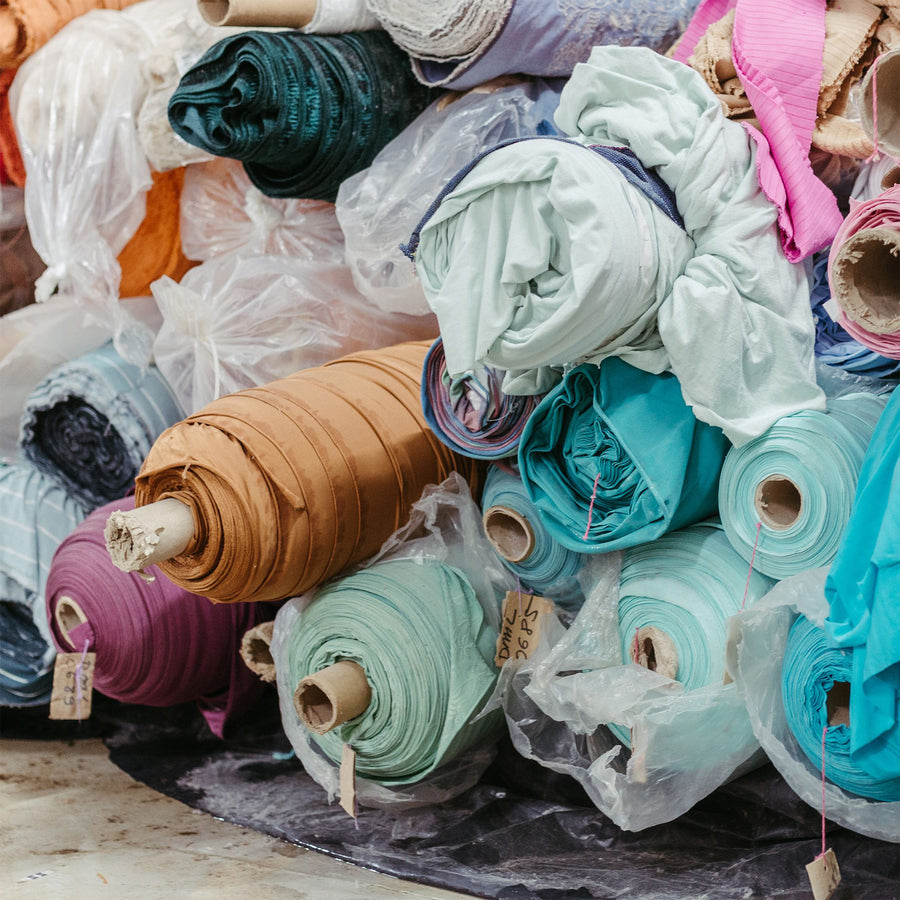
Case-by-case
Unused materials or finished/semi-finished goods that are sitting in storage but still have material value.
Product development, limited-run goods, corporate gifting, resale products, or custom sewn solutions.
Usable, accessible, and tied to a clear project goal.
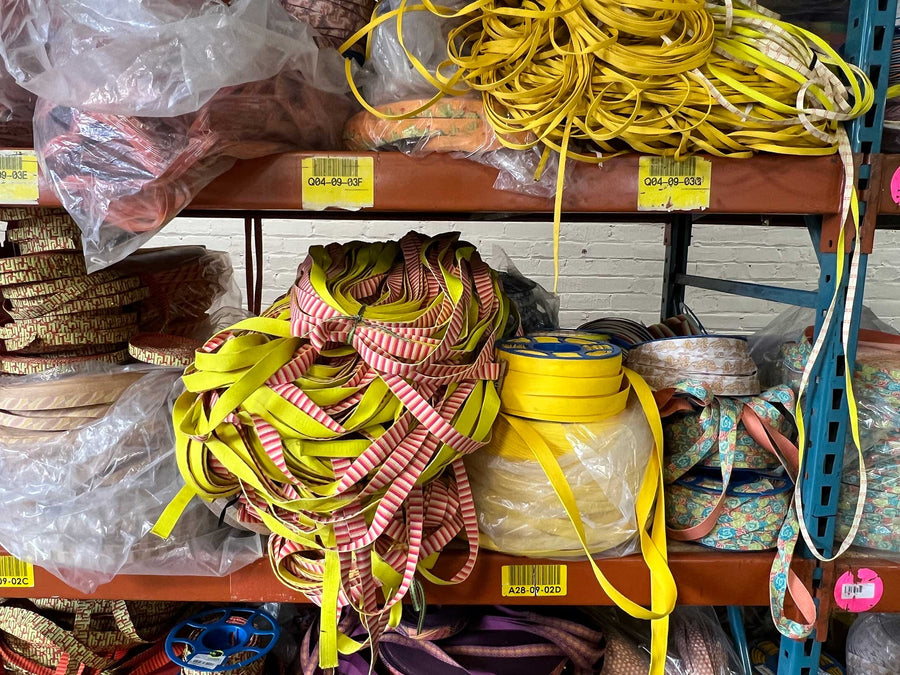
Typically accepted
Straps, rope, cording, handles, trim, and related durable components that can support sewn goods production.
Bag handles, closures, utility products, carry goods, and product details.
Clean, untangled when possible, sorted by type, and structurally sound.
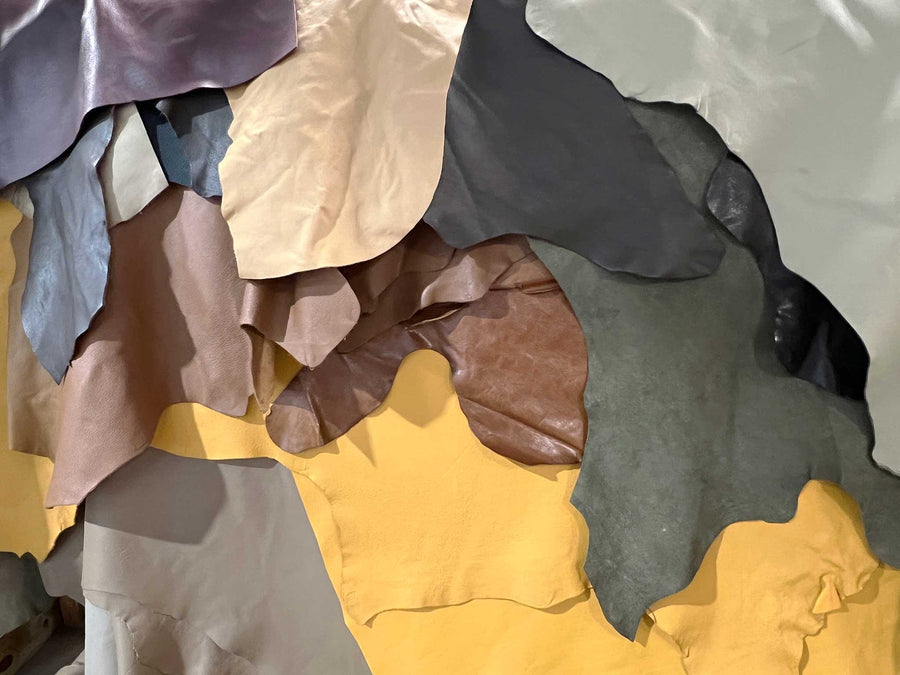
Case-by-case
Leather hides, remnants, or usable leather materials that can be incorporated into sewn goods or product details.
Accents, reinforcements, handles, small goods, and limited product applications.
Clean, dry, usable, and free from rot, mold, or heavy contamination.
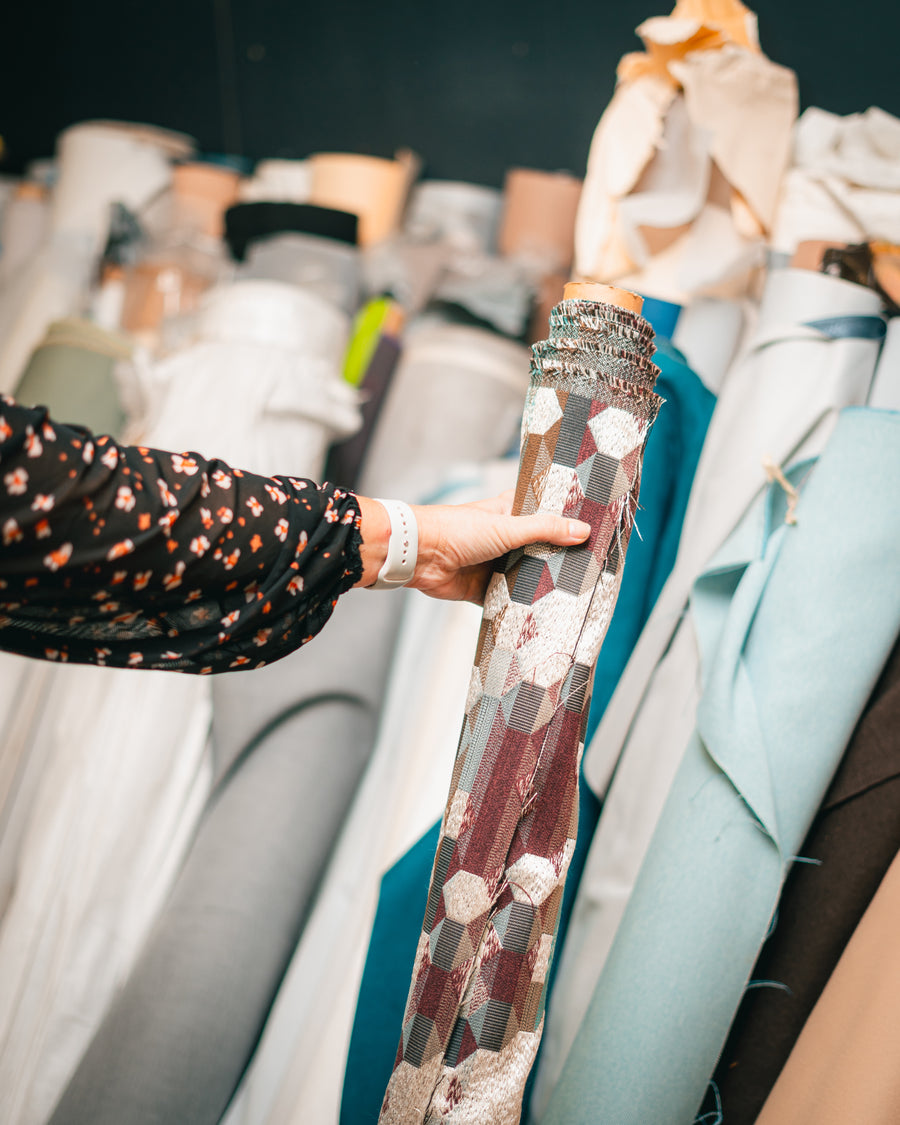
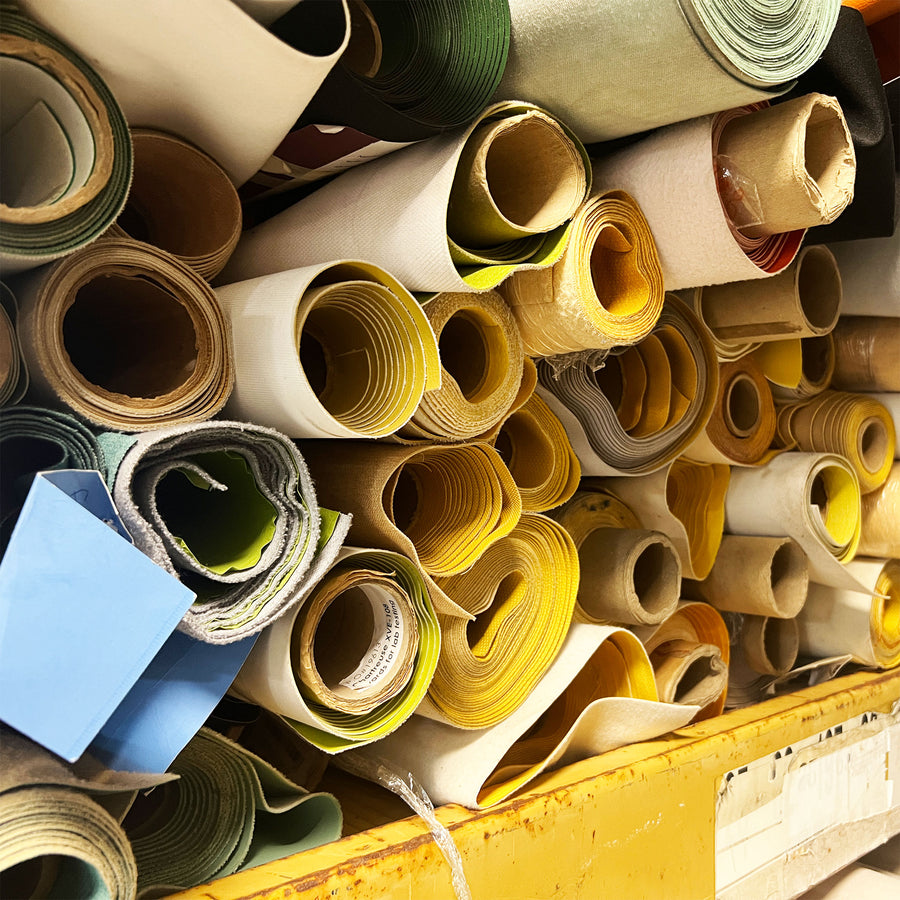
typically accepted
Durable upholstery fabrics, furniture industry offcuts, and textile remnants from manufacturing or design partners.
Bags, pouches, home goods, panels, cases, and durable sewn products.
Clean, dry, sorted, and free from foam, staples, contaminants, or unusable backing unless pre-approved.
Case-by-case
Rolled marine textiles, used sailboat sails, vinyl marine fabrics, offcuts, and related durable materials.
Bags, cases, totes, carry goods, and durable sewn products.
Clean, dry, free from hazardous residue, and structurally usable.
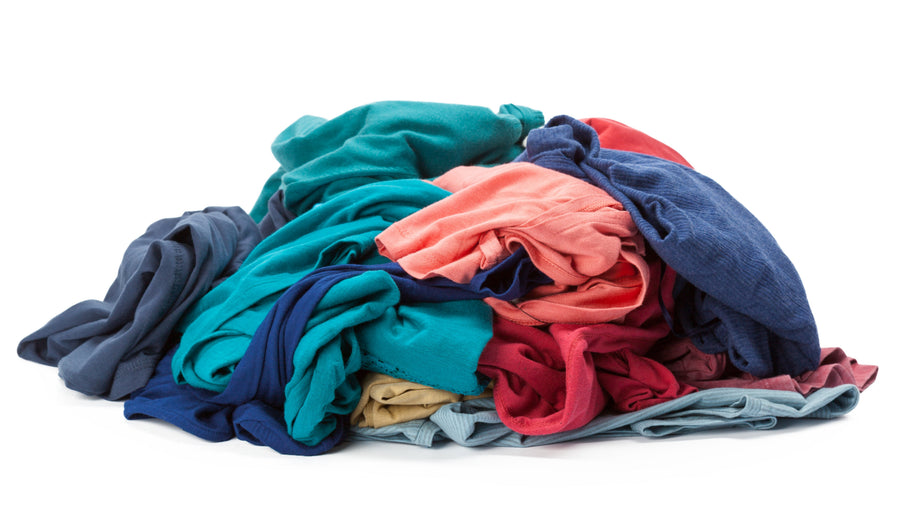
Case-by-case
Retired uniforms, branded textiles, event materials, or promotional goods with remaining material value.
Internal team products, commemorative goods, corporate gifts, event products, or brand storytelling.
Clean, dry, sorted, and part of a defined recovery or product project.
Condition Guide
Good fit
Clean and dry. Sorted by material type when possible. Free from mold, mildew, strong odors, hazardous contaminants, and heavy soil. Structurally usable and connected to a clear product goal or recovery pathway.
Best when materials are stored well, identifiable, and available in enough quantity for a project.
Start a ProjectNot a fit
We cannot accept wet or improperly stored textiles, moldy or strongly odorous materials, hazardous or heavily contaminated materials, mixed or unsorted textile waste, general household textile donations, or degraded materials that are no longer structurally usable.
If you are unsure, send photos and details before moving materials.
Ask FirstHow Intake Connects to Projects
The Material Guide helps you understand fit. The next step depends on whether you already have materials or need Public Thread to source recovered materials for a product.
Have materials?
You have surplus textiles, banners, vinyl, uniforms, deadstock, or dormant inventory and need to understand what it can become.
Best when the material source already exists.
Transform Your MaterialsNeed products?
You need responsible sewn goods and want Public Thread to source recovered materials that fit the product direction.
Best when the product need comes first.
Create With Our MaterialsBefore You Send Materials